

東洋学園大学 国際交流センターの歩みとこれから

東洋学園大学が創立100周年を迎える今、本学の国際教育を支えてきた国際交流センター(IEC)の歩みを振り返ることには大きな意味がある。IECは「国際社会で活躍する人材を育てる」という学園の理念を体現し、半世紀近くにわたり学生たちに国際体験の機会を提供してきた。
創設と発展の歴史
.1970年代後半、長期休暇を利用して海外語学研修に参加する学生が増え始め、1985年度には正式な制度として位置づけられた。1987年度からは東洋文化学院が運営を担い、英国アングロ・コンチネンタル・スクール、カナダ、米国ユタバレー州立大学などでの研修がスタートした。1990年代半ばには年間180~200名が参加するまでに拡大し、カナダ・ウィニペグ大学、英国ハイバリー・カレッジ、2002年にはソールズベリー校での児童英語研修など、多彩なプログラムが展開された。
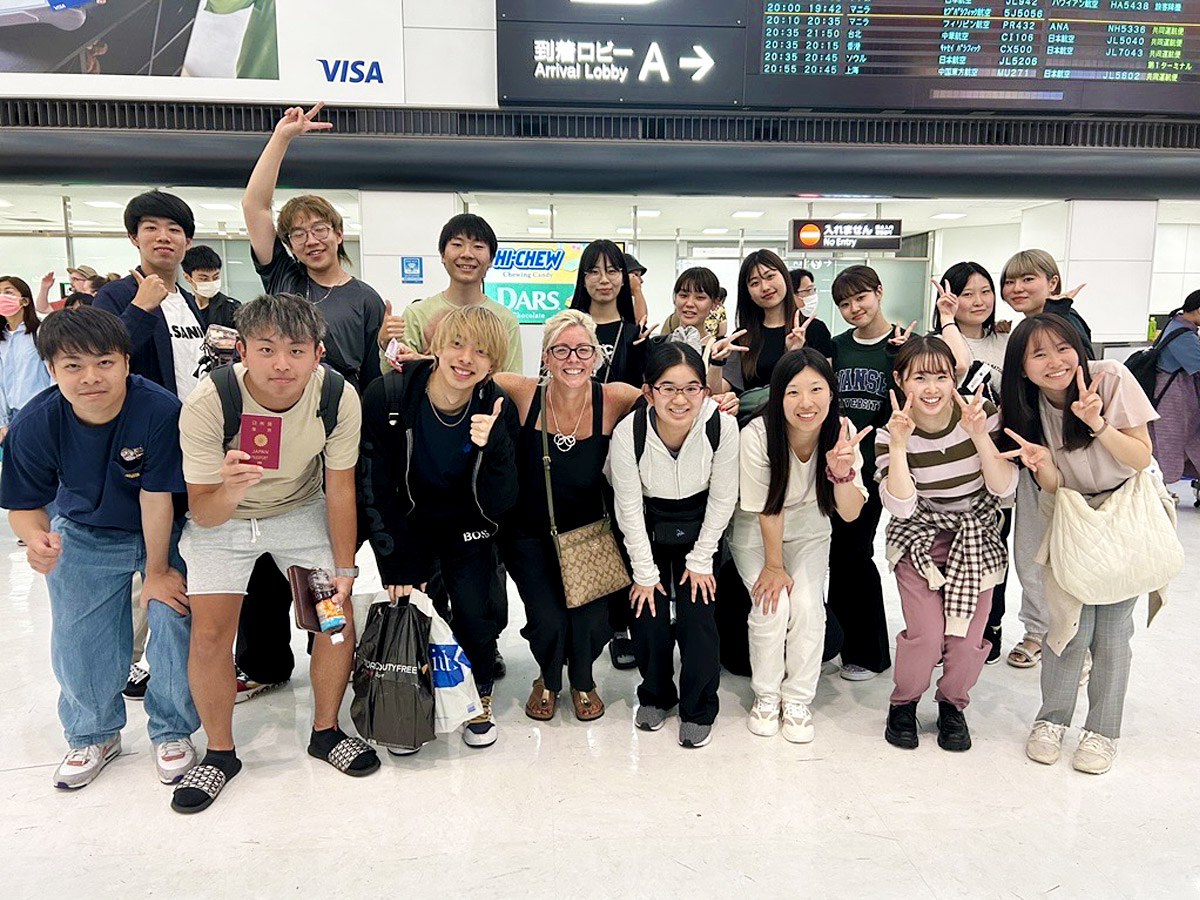
2001年には故・宇田正長理事長の提言により、企画開発本部の中に国際交流センターが設立された。2004年には江澤雄一理事長の下、全学的な委員会組織として再編され、研究施設としての性格も備えることとなった。IECは大学全体の国際化を推進する中核的拠点としての役割を確立し、以降、研修先の拡充や危機管理体制の強化、単位認定制度の導入など、着実な発展を遂げてきた。
コロナ禍の試練と挑戦
しかし、この歩みは2020年の新型コロナウイルスの世界的流行により大きな試練を迎えた。海外渡航が不可能となり、留学派遣も中止を余儀なくされたのである。国際交流の火を絶やさぬため、IECは迅速に方向転換を図り、パートナー大学とのオンライン交流、バーチャル留学、国際機関や卒業生を招いたオンライン講演など、新しい学びの形を次々に導入した。2021年には300名を超える学生がオンラインイベントに参加し、国境を越えた国際教育は途絶えることなく継続された。
この経験は、国際教育の重要性を改めて示すものとなった。世界的な感染症や国際的な対立、デジタル化やAIの急速な発展など、予測困難な時代においてこそ、異文化を理解し、多様性を尊重し、グローバルな視野を持つ力が不可欠である。IECの取り組みは、単なる語学学習にとどまらず、学生が未来社会で主体的に活躍するための基盤を築くものである。
再生と拡張
2022年以降、国境が再び開かれると、IECは短期・長期留学や新たな協定校との提携を急速に再開した。2024年には「ISA(Independent Study Abroad)」が導入され、学生が自ら留学先や期間、内容を設計しながら大学の単位を取得できる柔軟な仕組みが整った。経済状況や学習目的に応じて多様な選択肢を持つことが可能となり、留学のハードルは大きく下がった。
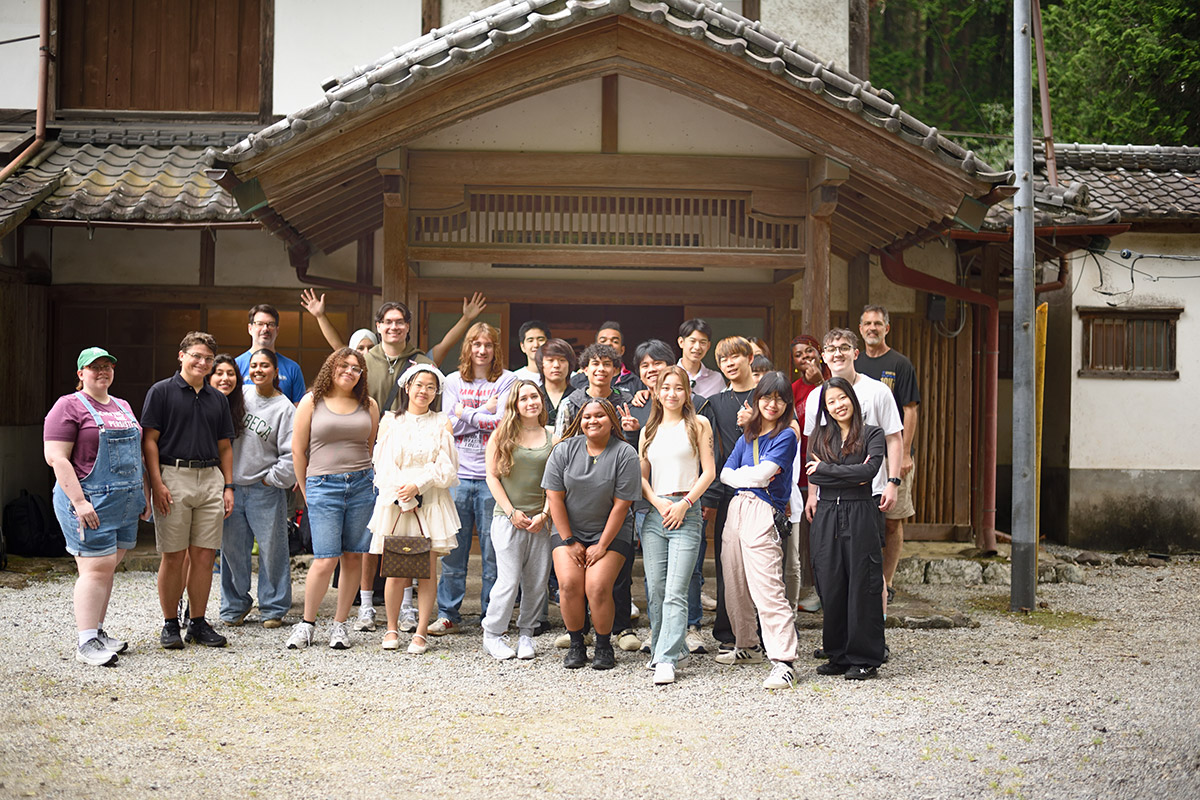
この時期に特筆すべきは、2013年に開始された米国サム・ヒューストン州立大学との交流プログラム「SHSU in TOGAKU」である。毎年12~15名の米国学生を受け入れ、毎年200名を超えるTOGAKU生が交流に参加するこのプログラムは、授業やイベント、東京・鎌倉観光、栃木県の大学寮での文化体験を通じて友情を育む場となっている。11年以上継続してきたこの取り組みは、IECを象徴するフラッグシップ事業であり、本学の国際化を内外に示す代表的な成果の一つである。
さらに、中国・浙江旅游職業学院との連携も注目すべき成果を上げている。2024年10月には同学院から8名の学生を迎え「日本文化体験演習」を初めて実施し、30名以上のTOGAKU生と共に学びを深めた。長年続いてきた「鑑真杯中国語スピーチコンテスト」も、コロナ禍を経て2023年に対面で再開され、2024年には第12回を迎えた。浙江の学生がビデオメッセージを寄せ、同大学教授が審査員として参加するなど、このコンテストは語学大会を超え、異文化交流の舞台へと発展している。
Global Loungeと学内国際化
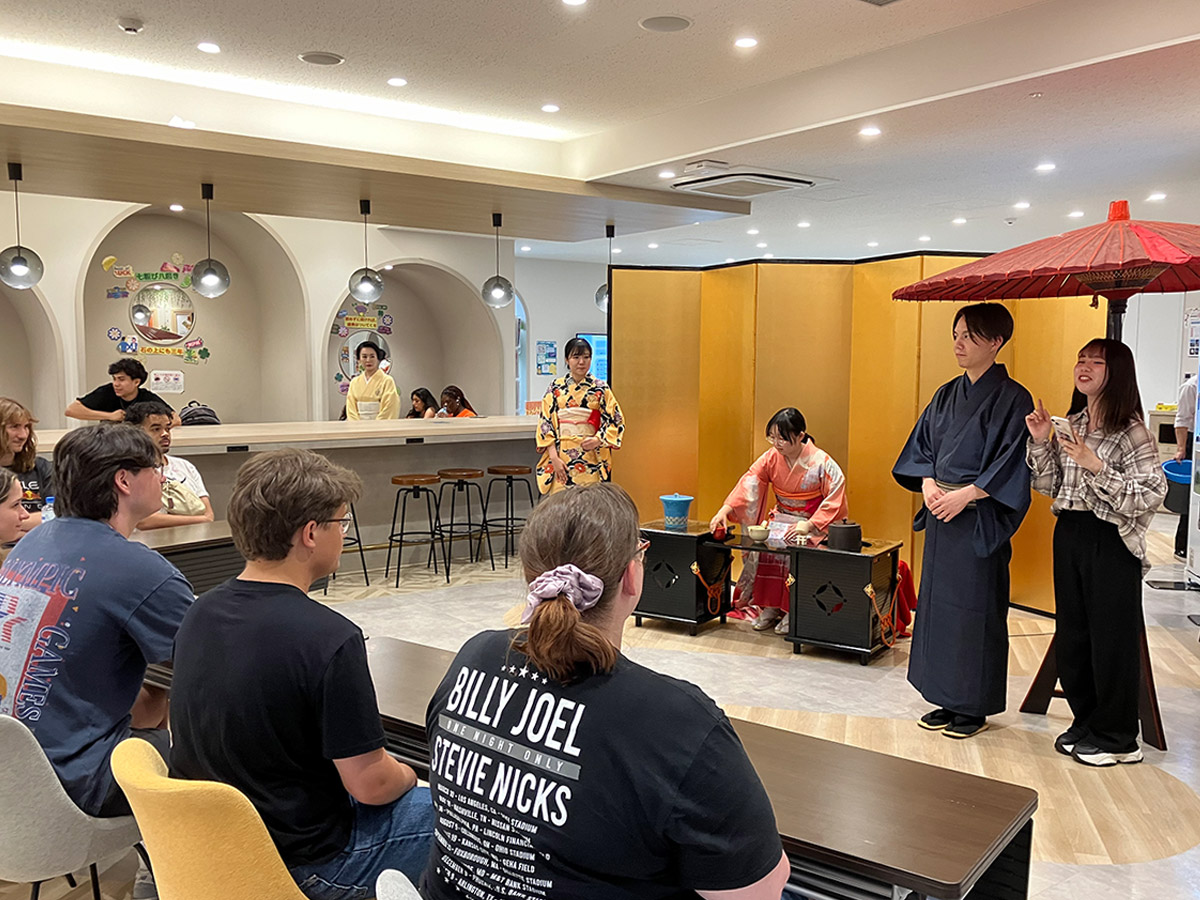
学内国際化のもう一つの拠点が、Global Loungeである。IECは毎年2名の海外インターンを受け入れ、彼らは自国文化紹介やイベント企画、語学交流を通じてTOGAKU生に日常的な国際体験を提供している。インターンにとっても、日本での経験は大きな成長の機会となり、互いに学び合う関係が築かれている。
さらに、本学学生が「ラウンジメイト」としてボランティア参加し、同世代ならではの近い立場から交流活動を支えている。彼らはイベント運営や語学パートナーとして活躍し、ラウンジを学生主体のより開かれた空間へと発展させている。クラブ活動や学生団体もこの場を活用し、海外に留学しなくてもキャンパス内で国際交流を体感できる環境が広がっている。
こうした取り組みのすべては、教員と事務職員の緊密な協力によって支えられている。企画立案から実施、学生支援に至るまで、IECチームは一体となって取り組み、学生にとって最良の国際教育体験を提供している。この協働こそが、東洋学園大学の国際教育を長年にわたり支えてきた原動力である。
未来への展望
IECは「TOGAKU Impact 2030」と歩調を合わせ、今後5年間でさらなる国際化を推進する計画を掲げている。短期・長期・ISAを組み合わせた多様な留学機会の提供、協定校からの秋季編入制度、インターンシップやサービスラーニングの拡充、グローバルラウンジを中心としたデジタル交流の推進、そして「社会人基礎力調査」による成果の可視化など、多角的な施策が柱となる。
1970年代の小さな語学研修から始まり、2001年のセンター設立、そしてコロナ禍という試練を経て、IECは常に時代に即した形で学生の成長を支えてきた。海外での留学経験はもちろん、学内での日常的な異文化体験を通じて、若者が心を開き、新しい価値観を発見し、未来への一歩を踏み出すこと。その機会をつくることこそが、国際交流センターの存在意義であり、私自身にとってこの仕事の最も大きな喜びである。
The Journey and Future of the International Exchange Center at Toyo Gakuen University
As Toyo Gakuen University celebrates its 100th anniversary, it is deeply meaningful to reflect on the history of the International Exchange Center (IEC), which has long supported the university’s international education. The IEC embodies the founding spirit of TG: “to nurture individuals who can thrive in the global community.” For nearly half a century, it has created opportunities for students to gain international experience and broaden their horizons.
Founding and Early Development
In the late 1970s, more and more students began joining overseas language training programs during long vacations. By 1985, these programs were formally institutionalized. Early programs were held at the Anglo-Continental School in the UK, in Canada, and at Utah Valley State University in the U.S. By the mid-1990s, annual participation had grown to 180–200 students. The programs expanded further, with partnerships such as the University of Winnipeg (Canada), Highbury College (UK), and later a children’s English teaching practicum in Salisbury (2002).
In 2001, under the proposal of the late Chairman Masanaga Uda, the International Exchange Center was established within the Planning and Development Division. In 2004, under Chairman Yuichi Ezawa, the IEC was reorganized as a university-wide committee and given the character of a research institute. In this way, the IEC secured its position as a core hub driving the university’s internationalization. Over the following years, study destinations expanded, risk management training was introduced, and a credit recognition system was established, making overseas learning both safer and academically integrated.
Challenges and Innovation During the Pandemic
This trajectory faced a major trial in 2020 with the global outbreak of COVID-19. With overseas travel impossible, the university was forced to suspend all study abroad programs. Yet, determined not to let the flame of international exchange go out, the IEC swiftly pivoted and introduced online exchanges with partner universities, virtual study abroad programs, and lectures featuring international organizations and alumni. By 2021, more than 300 students had participated in such online events, allowing international education to continue even across closed borders.
This experience underscored the vital importance of international education. In an era shaped by global crises, geopolitical tensions, digitalization, and the rapid rise of AI, the ability to understand other cultures, respect diversity, and think globally is more essential than ever for Japan’s youth. IEC’s initiatives go far beyond language learning; they form the foundation that enables students to take leadership roles in the future global society.
Renewal and Expansion
When borders reopened in 2022, the IEC quickly revived and expanded its programs. Both short-term and long-term study abroad programs resumed, and new partnerships were forged with universities in Australia, South Korea, and the Philippines. In 2024, the “ISA (Independent Study Abroad)” system was launched, giving students the flexibility to design their own study abroad experiences—including the destination, length, and focus—while still earning credits toward graduation. This innovation significantly lowered the barriers to studying abroad and gave students greater freedom of choice.
Among these initiatives, one stands out in particular: the “SHSU in TOGAKU” program with Sam Houston State University in the U.S., launched in 2013. Each year, the program brings 12–15 American students to Tokyo, while more than 200 TG students have participated in exchange activities. Through classes, group work, Tokyo sightseeing, and cultural experiences, students have forged friendships and mutual understanding. Having run for more than 11 consecutive years, this flagship initiative has become one of the most visible symbols of TOGAKU’s internationalization.
The partnership with Zhejiang Tourism Vocational College in China has also yielded important results. In October 2024, TG welcomed eight students from Zhejiang for the first “Japanese Cultural Experience Seminar,” joined by over 30 TG students. The long-standing Ganjin-hi Chinese Speech Contest also resumed in person in 2023 after the pandemic, and celebrated its 12th edition in 2024. With Zhejiang students sending video messages and professors serving as judges, the contest has grown into much more than a language competition—it is now a genuine platform for intercultural exchange.
The Global Lounge and On-Campus Internationalization
Another cornerstone of internationalization is the Global Lounge, where international exchange can be experienced daily on campus. Each year, the IEC hosts two overseas interns who introduce their own cultures, plan events, and support language exchange. For them, their time at TOGAKU also serves as a valuable growth opportunity, creating mutual learning relationships with Japanese students.
TOGAKU students themselves also play a vital role, serving as “Lounge Mates.” As near-peer role models, they support lounge activities and help fellow students in ways only close peers can. Their participation has made the lounge a more open and welcoming space. Clubs and student groups also use the lounge, ensuring that even students who do not go abroad can still experience international exchange within the campus environment.
All of these initiatives are possible only through the close collaboration between faculty and administrative staff. From planning and implementation to student support, the IEC team works seamlessly together, devoting itself to providing students with the very best international education experiences. This spirit of collaboration has been the driving force sustaining TOGAKU’s international education for decades.
Looking Ahead
Aligned with “TOGAKU Impact 2030,” the IEC is preparing to take internationalization to the next level over the next five years. Key initiatives include: expanding diverse study abroad options (short-term, long-term, and ISA), introducing a tiered scholarship system, welcoming international students through autumn admission from partner universities, integrating internships and service learning into the curriculum, advancing digital exchange centered on the Global Lounge, and visualizing student outcomes through the “Basic Skills for Working Adults” survey.
From its modest beginnings as a small language training program in the 1970s, through its official establishment in 2001, and the trials of the COVID-19 pandemic, the IEC has continually adapted to the times while supporting student growth. Whether through study abroad or daily on-campus interactions, students are encouraged to open their hearts, discover new perspectives, and take their first steps toward the future. Creating these opportunities is the very mission of the International Exchange Center—and it is also my greatest joy in this work.
